Table of contents
The importance of visuals for a crowdfunding campaign
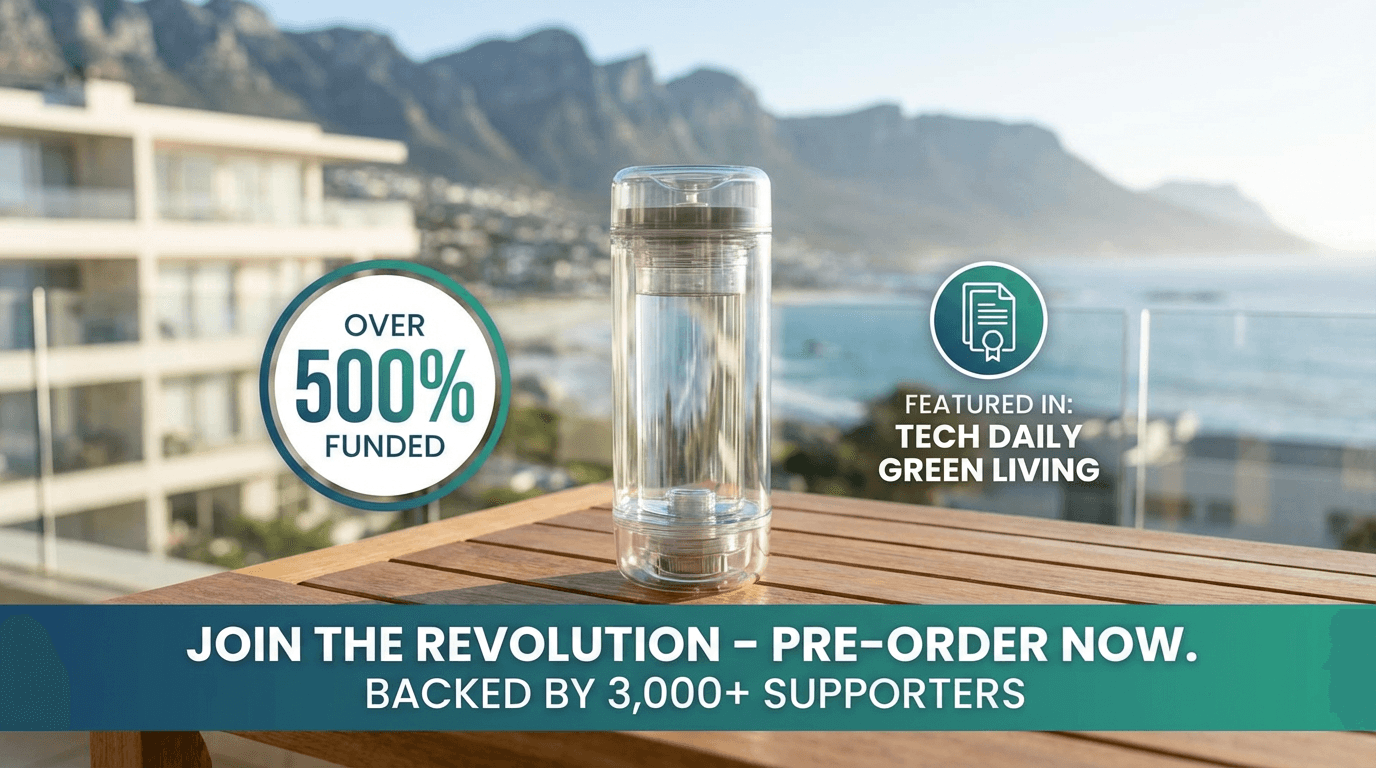
On Kickstarter or Indiegogo, the first seconds are decisive. Potential backers judge your project primarily by its visuals. A poorly lit prototype photo on a kitchen table will not convince anyone to invest 200 euros in your project.
Successful campaigns share one common trait: professional visuals that show the product in real-life situations. They allow the backer to project themselves and instantly understand the product's value.
Preparing your 3D render for crowdfunding
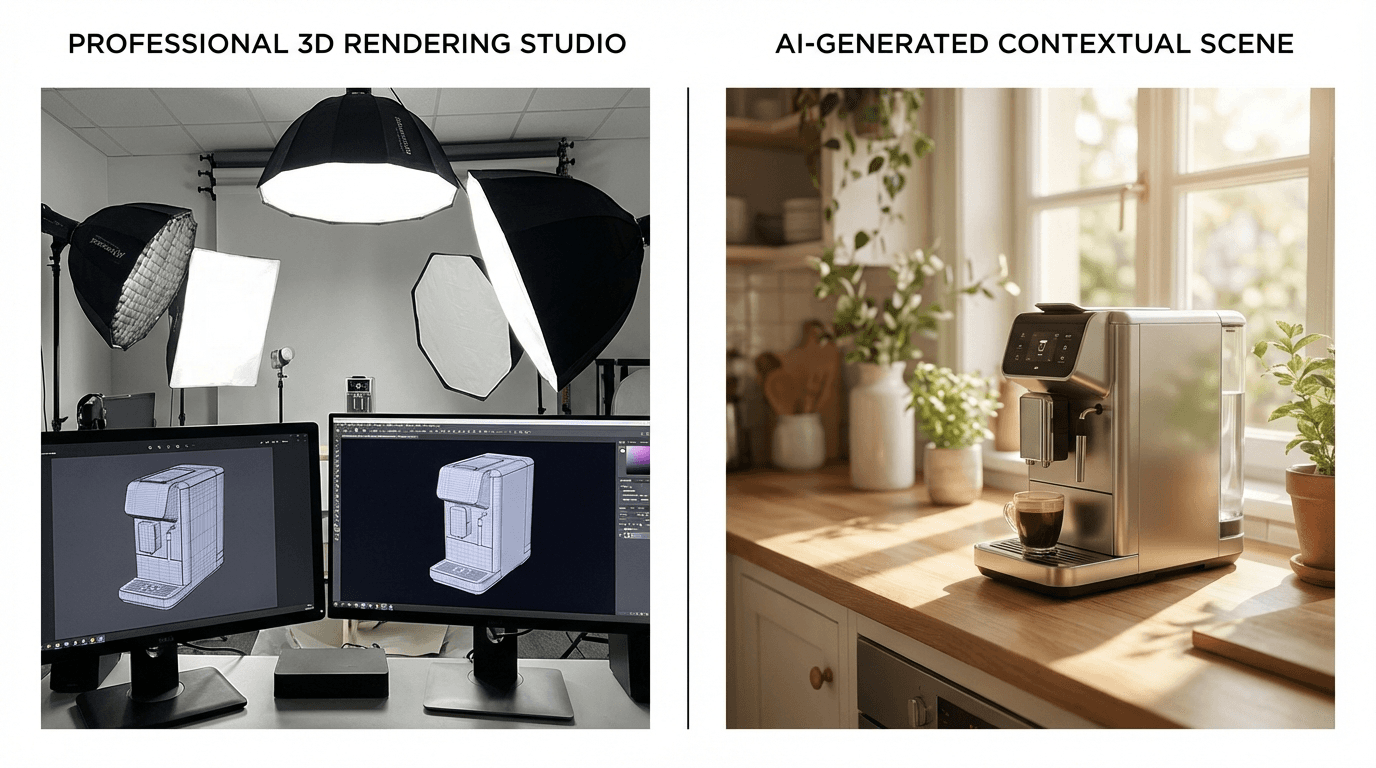
Before generating your visuals, optimize your 3D render. Export from your CAD software (SolidWorks, Fusion 360, Rhino, Blender) following these best practices:
- Use a neutral or transparent background to facilitate integration
- Verify that materials and textures are properly rendered
- Export in high resolution (minimum 2000px wide)
- Choose a viewing angle that highlights the product's distinctive features
Generating visuals with Prototype Scene
Once your render is ready, upload it to Prototype Scene. For a Kickstarter campaign, we recommend generating several variants:
The campaign hero visual should show your product in its primary usage environment. If you are creating a desk accessory, choose the Office environment. If it is urban furniture, select Public space.
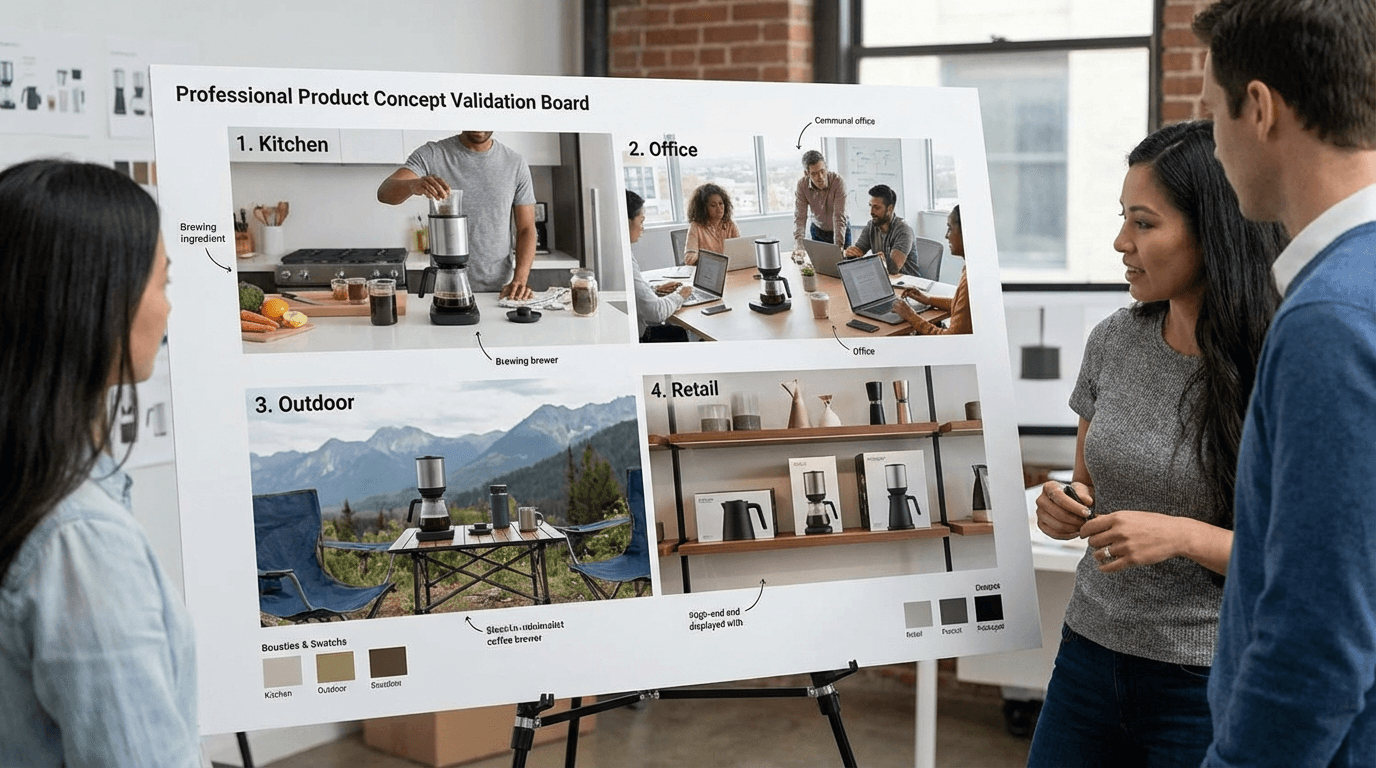
Then generate secondary visuals in different contexts to illustrate your product's versatility. Vary angles and environments to provide a complete vision.
Optimizing visuals for the campaign page
Kickstarter recommends 1024 x 576 pixel images for the main visual and full-width images for the campaign body. Use Prototype Scene's high-resolution mode to get sufficiently large images.
Combine your generated visuals with annotations, size comparisons, and explanatory text to create a narrative presentation that guides the backer through your product's advantages.
Results and return on investment
With Prototype Scene, you can generate all the visuals needed for a crowdfunding campaign in under an hour, for a budget of a few dozen euros. By comparison, a product photographer would charge 500 to 3,000 euros for an equivalent result.
Moreover, you can regenerate new visuals at any time for stretch goals, campaign updates, or color variants, without rescheduling a photo shoot.